Explore by coverage, setup, and routine fit
Explore by coverage, setup, and routine fit · Find your format

Understand what common wavelength numbers describe and why wavelength alone is not a complete device comparison.
Learn / product-education
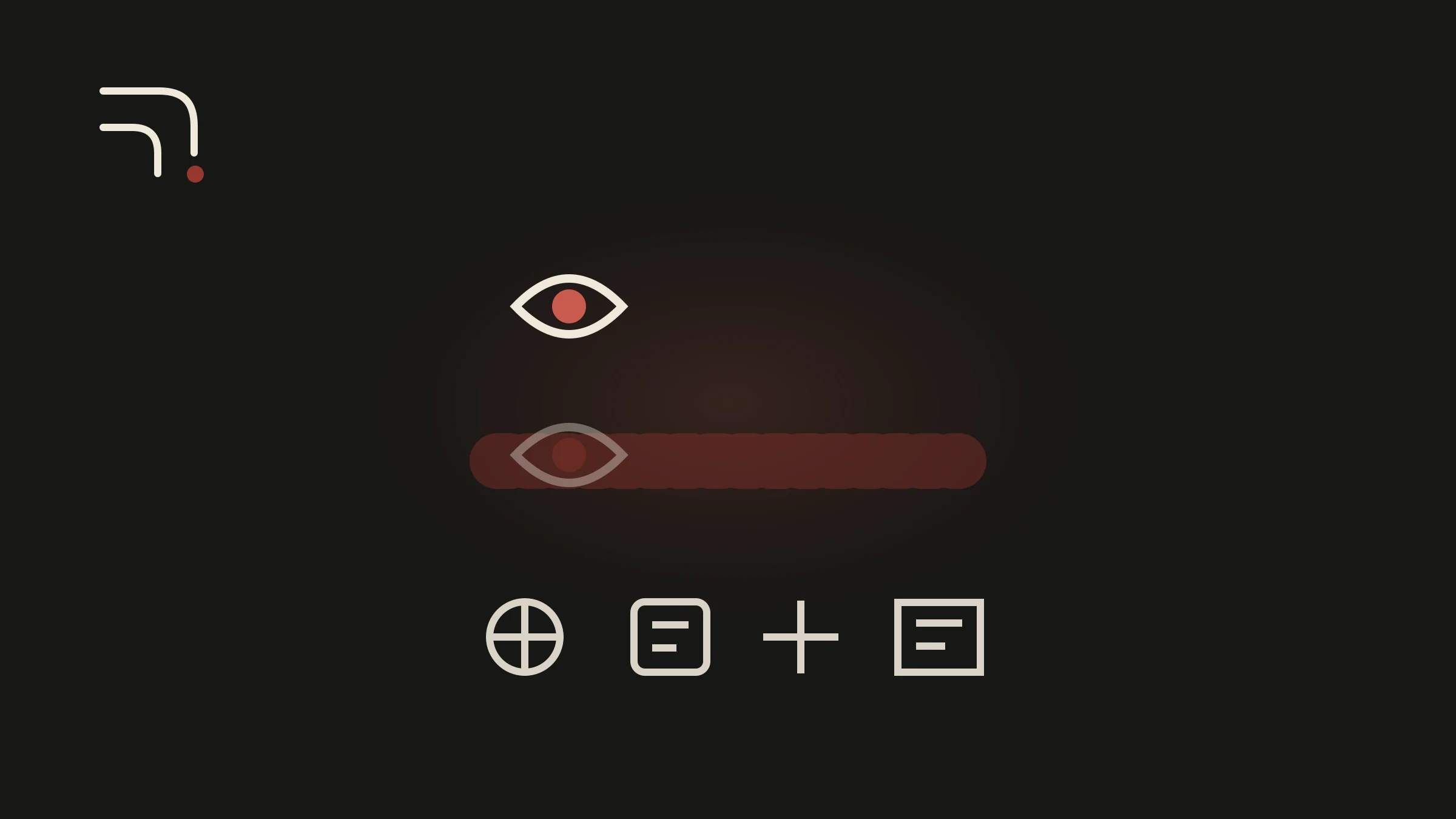
Wavelength describes a position in the light spectrum and is measured in nanometers (nm). In the red light therapy category, 660nm is a commonly listed visible red wavelength and 850nm is a commonly listed near-infrared wavelength.
Those numbers help identify the type of light a product says it uses. They do not, by themselves, establish the product’s output, routine, safety instructions, coverage, or suitability.
660nm is generally discussed as visible red light.850nm is generally discussed as near-infrared light, often shortened to NIR.nm stands for nanometer, a unit used to describe wavelength. Wavelength is one way to identify light, but it is not a complete description of a consumer device.
Two products can list the same wavelength and still differ in:
Light near 660nm is visible to the human eye and is commonly listed on products in the broader category. A visible red glow can help indicate that LEDs are active, but brightness alone is not a reliable way to compare output or product quality.
Do not assume every red-looking device uses exactly 660nm. Read the exact specification record and manual.
Light near 850nm is generally outside the visible range. Near-infrared LEDs may appear dim or may show only a faint visible point while operating.
The fact that the light is difficult to see does not tell you whether the device is operating correctly. Use the product’s indicators, controls, and instructions rather than visual brightness alone.
This is not a useful universal comparison. The two numbers describe different wavelengths, while a complete product decision also depends on device format, documented output, positioning, coverage, controls, and exact instructions.
Instead of asking which number is universally better, ask:
Some products list two, three, or more wavelengths. A multi-wavelength list can describe the LEDs included in a device, but it should not be treated as a quality score.
Verify:
If the documents conflict, pause the comparison and request clarification.
Wavelength identifies light; it does not describe the total exposure created by a session. Distance, time, illuminated area, device geometry, and measured output all affect the setup.
That is why KREXBODY does not publish one timing or distance rule for every product. Follow the instructions for the exact model.
Read How Often Should You Use Red Light Therapy? for a manual-first routine framework.
When two products list 660nm, 850nm, or both, compare the following fields together:
| Field | What to verify |
|---|---|
| Product identity | Exact product name, SKU, model, and matching documents |
| Wavelengths | Values for that exact model, including selectable modes |
| Format | Panel, mask, wearable, blanket, mat, pet-focused, or specialized |
| Physical coverage | Product dimensions and the area created by its design |
| Positioning | Distance, contact, fit, mounting, or surface requirements |
| Output record | Unit, distance, method, mode, and date when available |
| Controls | Timer, mode selection, intensity, automatic shutoff |
| Instructions | Eye, setup, cleaning, storage, and operating guidance |
Use Compare Devices to compare formats before comparing individual product records.
KREXBODY does not publish supplier-page wavelengths as verified product facts. A wavelength can appear as an exact-model product specification only after a model-matched manual, approved specification sheet, or equivalent document establishes it.
If a value is marked as under review, treat it as unverified until the documentation status changes.
No. Visual color or brightness is not enough to confirm an exact wavelength. Use model-matched documentation.
Near-infrared light is generally outside the visible range, though some LEDs may show a faint visible glow. Follow the product’s operating indicators rather than judging by brightness.
No. Wavelength count does not replace comparison of format, documented output, positioning, controls, coverage, and instructions.
Do not assume so. Products can differ in design, output, distance, coverage, controls, and exact guidance even when the listed wavelengths match.
This guide uses two photobiomodulation reviews for wavelength, irradiance, exposure time, fluence, and dose-response context:
These general sources do not prove that any specific KREXBODY catalog model emits a stated wavelength, meets an output value, has regulatory status, or produces a particular result. They also do not provide a universal consumer-device dose. Those statements require model-matched specifications, measurement records, instructions, and applicable test or regulatory documents.