Explore by coverage, setup, and routine fit
Explore by coverage, setup, and routine fit · Find your format

Understand the red light therapy category, how at-home device formats differ, and what exact-model information should be verified.
Learn / red-light-therapy-101
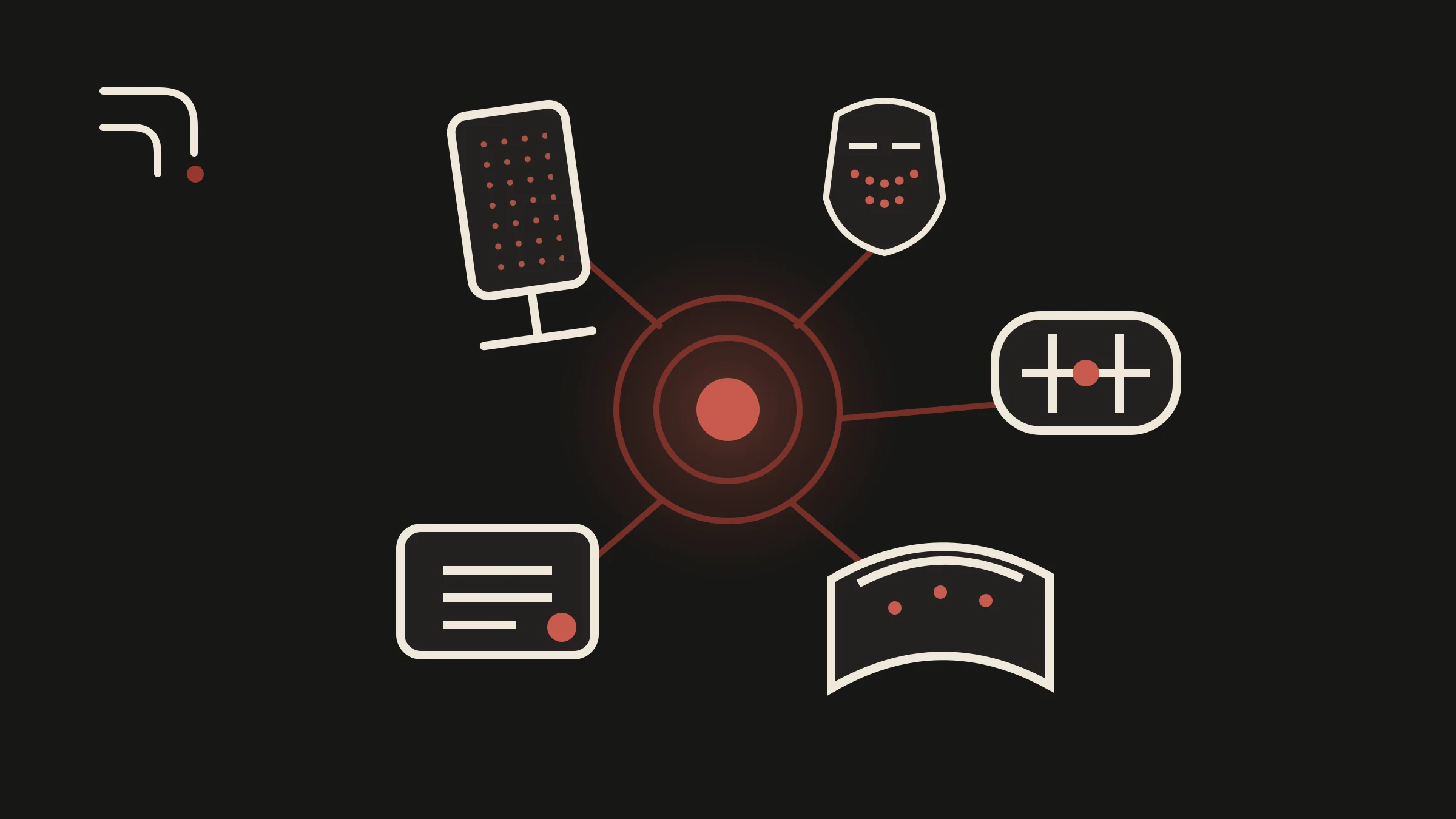
Red light therapy is a broad product category that uses visible red light, near-infrared light, or a combination of wavelengths. At-home devices come in different physical formats, including panels, masks, flexible pads, wearables, blankets, mats, and larger fixed systems.
The category name does not tell you how a specific device should be positioned, how long it should be used, or whether it fits your routine. Those decisions depend on the exact product, its physical design, its approved instructions, and the information available for that model.
Think of red light therapy as a device category, not one universal routine. Start by comparing the area you want to cover, the way the device is positioned, the space it requires, and the product-specific instructions you are prepared to follow.
KREXBODY is currently operating as a Product Catalog. Product pages show physical format and current document status; unverified supplier-page specifications are withheld until exact-model documents establish them.
Light is commonly described by wavelength, measured in nanometers (nm).
Numbers such as 660nm and 850nm are common examples in the broader category. They should not be assumed to apply to every product. Read Red Light Therapy Wavelengths: 660nm, 850nm, and NIR Basics for a focused explanation.
The physical format changes how a device fits into a home routine.
Panels create an open-air setup and are positioned at a distance. Compare their physical size, stand or mounting method, room requirements, controls, and exact positioning instructions.
Explore LED Red Light Therapy Panels.
Blankets, mats, and lie-down formats are designed around flat, wrapped, or enclosed positioning. Compare dimensions, materials, controls, storage, cleaning, and the instructions for contact or near-contact use.
Explore Red Light Therapy Blankets & Mats.
Wearables use belts, wraps, pads, caps, or other compact shapes around a selected area. Compare fit, cable or battery setup, flexibility, controls, and care requirements.
Explore Wearable Red Light Therapy.
Facial formats are designed around the face, eye area, or face and neck. Compare physical fit, eye guidance, controls, cleaning, and the exact instructions for the model.
Explore LED Light Therapy Masks.
Still comparing a wearable facial format with an open-air setup? Read LED Mask vs Red Light Therapy Panel.
Pet-focused products require calm supervision and instructions that explicitly cover the intended animal and setup. Larger or specialized formats may require additional room, power, delivery, assembly, or access planning.
Explore Pet Red Light Therapy or Innovation Therapy Devices.
A useful product page should separate confirmed information from information that is still under review. Before relying on a product record, look for:
If an important value is missing or marked as supplier-listed, do not substitute information from a similar-looking product.
A wavelength number does not establish the complete experience of a device. Products with the same listed wavelength can differ in size, LED layout, positioning, controls, distance, illuminated area, and intended routine.
Use Compare Red Light Therapy Devices to compare physical formats before evaluating individual products.
The KREXBODY Product Finder can provide a format-based starting point. Its output is a comparison aid, not a substitute for exact product documentation.
Do not copy timing, distance, placement, or eye guidance from another device. If the exact-model instructions are unavailable, pause and ask KREXBODY Support.
Read How to Use Red Light Therapy Safely before planning a routine.
No. Panels, masks, wearables, blankets, mats, and specialized systems have different positioning and instruction requirements.
Not automatically. Wavelength count is only one comparison field. Physical format, documented output, setup, controls, coverage, and exact instructions also matter.
Do not assume that similar-looking products have interchangeable instructions. Use the manual and documentation for the exact model.
Start with coverage, physical setup, available space, and documentation. Then use Compare Devices or browse all KREXBODY device formats.
This guide uses the following external sources for category terminology, mechanism context, and the boundary between general-wellness education and product-specific claims:
These general sources do not prove the performance, safety, outcome, suitability, approval, testing, clearance, or certification status of any specific KREXBODY catalog model. Exact-product statements require traceable evidence matched to that model.